Wastewater to Wealth: How Industrial Facilities Are Unlocking Hidden Profit in Their Treatment Systems
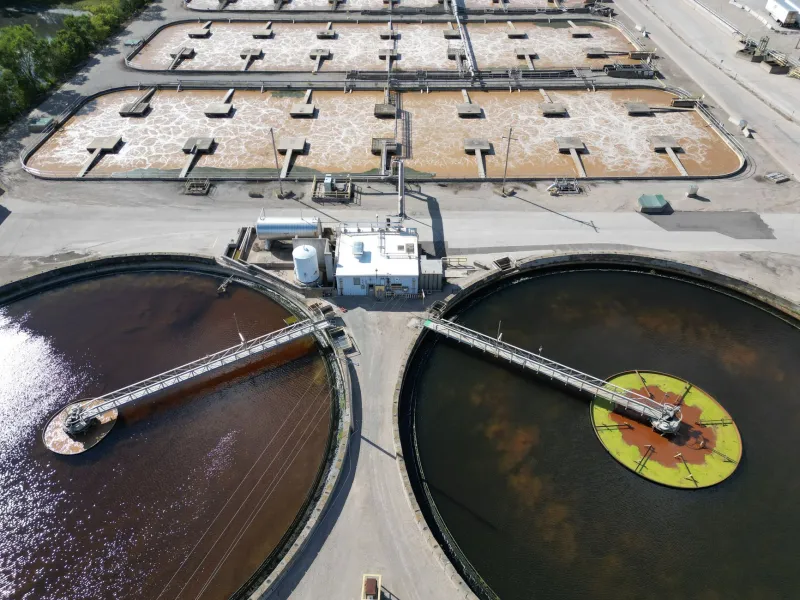
For most industrial facility managers, the wastewater treatment plant sits at the edge of the property map and the bottom of the priority list. It exists to satisfy discharge permits, avoid regulatory penalties, and keep operations compliant. The idea that it might one day anchor a facility's energy strategy — or generate meaningful revenue — has historically seemed implausible.
That assumption deserves a serious second look.
Across food processing, brewery, pharmaceutical, and chemical manufacturing sectors, a growing number of American facilities are discovering that their anaerobic digestion processes — already embedded within standard wastewater treatment workflows — are quietly producing biogas that goes almost entirely uncaptured. Methane, the primary component of that biogas, is venting to atmosphere or being flared off at facilities that could instead be converting it into electricity, thermal energy, or even pipeline-quality renewable natural gas (RNG). The financial opportunity, particularly under the current federal incentive environment, is substantial.
What's Already Happening Beneath the Surface
Anaerobic digestion is not a new technology. It has been a core mechanism in wastewater treatment for well over a century, breaking down organic matter through microbial activity in the absence of oxygen. What is new is the economic and regulatory context surrounding the byproduct of that process.
Industrial facilities with high-strength organic wastewater — food and beverage producers, ethanol refineries, dairy processors, and others — generate biogas as a natural output of their treatment operations. Depending on organic loading rates and system design, a mid-sized food processing plant may produce tens of thousands of cubic feet of biogas per day. At facilities where that gas is currently being flared or vented, the revenue equivalent being discarded can range from hundreds of thousands to several million dollars annually.
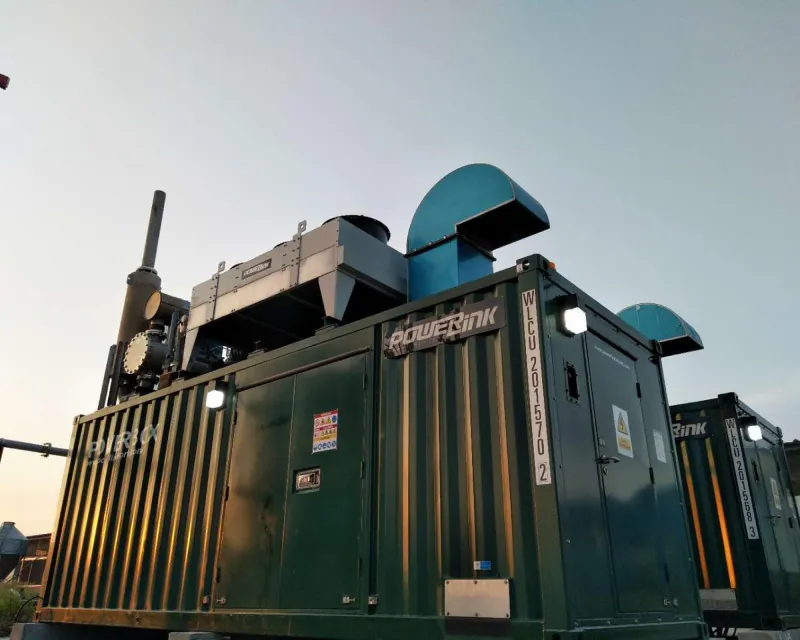
Capturing that gas does not necessarily require a ground-up infrastructure rebuild. In many cases, retrofitting an existing covered lagoon or anaerobic digester with gas collection systems, compression equipment, and energy conversion technology represents a far more modest capital investment than building new renewable energy capacity from scratch. The feedstock is already there. The biological process is already underway. The primary work is engineering the capture layer.
The ROI Case: Timelines That Are Shortening
Retrofit biogas capture projects at industrial wastewater facilities have historically carried payback periods in the range of five to eight years — reasonable for capital infrastructure, but not always compelling enough to move decision-makers quickly. What has changed is the convergence of energy prices, federal incentives, and environmental credit markets, all of which are compressing those timelines meaningfully.
Facilities that upgrade or install biogas capture systems may now qualify for the Investment Tax Credit (ITC) or Production Tax Credit (PTC) under the Inflation Reduction Act, depending on how the gas is utilized. For RNG projects specifically, the IRA extended and expanded credit structures that make pipeline injection economically attractive at a scale that was previously marginal. When these federal credits are layered on top of state-level incentives — which vary considerably but are often substantial in manufacturing-heavy states like California, Wisconsin, Michigan, and Pennsylvania — the blended financial picture improves considerably.
Beyond direct tax credits, facilities capturing and utilizing biogas can generate Renewable Identification Numbers (RINs) under the EPA's Renewable Fuel Standard, as well as Low Carbon Fuel Standard (LCFS) credits in California. For facilities with corporate sustainability commitments, the biogas can also retire Scope 1 emissions obligations, reducing the carbon liability that increasingly carries financial consequences through voluntary carbon markets and supply chain reporting requirements.
When these revenue streams and cost offsets are modeled together — energy savings, RIN revenues, LCFS credits, ITC or PTC benefits, and Scope 1 reductions — payback periods at well-configured facilities can fall below three years. Some projects are demonstrating returns that justify the capital investment within 24 months.
Navigating the Regulatory Landscape Without Getting Lost
One of the persistent barriers to biogas capture projects at industrial facilities is regulatory complexity. Wastewater discharge permits, air quality permits, utility interconnection agreements, and federal credit registration requirements each involve distinct agencies and compliance timelines. For facility managers already stretched thin, the prospect of navigating that landscape can be a decisive deterrent.
This is precisely where working with an experienced bioenergy development partner makes a measurable difference. The regulatory pathway for a biogas capture project is navigable — and in many jurisdictions, regulators are actively supportive of these projects because they reduce methane emissions, a greenhouse gas with roughly 80 times the near-term warming potential of carbon dioxide. Federal agencies including the EPA and USDA have published guidance and, in some programs, direct funding support for agricultural and industrial biogas projects.
Under the IRA's expanded clean energy provisions, certain biogas projects may also qualify for bonus credits if they are located in energy communities — defined as areas with historical ties to fossil fuel employment or production — or if they meet domestic content requirements for equipment procurement. These bonus adders can increase the effective credit value by 10 percentage points or more, a difference that can shift a marginal project into clear financial viability.
Stacking Benefits: The Compounding Logic of Bioenergy
What distinguishes biogas capture from many other sustainability investments is the degree to which financial benefits compound when properly structured. A facility that captures biogas and generates on-site electricity reduces its utility expenditures. If it also qualifies for RIN credits, it generates a separate revenue stream. If it operates in a state with LCFS or a voluntary carbon market, it can monetize the emissions reduction itself. If it applies the ITC, it reduces the net capital cost of the project. And if the reduction in Scope 1 emissions supports a corporate ESG target, it may reduce insurance premiums, improve access to green financing, or strengthen customer relationships in sustainability-sensitive supply chains.
None of these benefits is speculative. Each is grounded in existing regulatory frameworks and market mechanisms. The challenge — and the opportunity — lies in structuring the project to capture as many of them as possible simultaneously.
From Compliance Cost to Strategic Asset
The shift in how industrial facilities conceptualize their wastewater infrastructure is not merely financial. It reflects a broader strategic reorientation toward operational resilience and long-term competitiveness. A facility that generates a meaningful portion of its own energy from a waste stream it was already managing is insulated from energy price volatility in ways that grid-dependent competitors are not. It carries a lower carbon profile that is increasingly visible to customers, investors, and regulators. And it has demonstrated a capacity for operational innovation that tends to attract and retain talent in an industry where that is a growing challenge.
At Sri Balaji BioEnergies, we work with industrial clients across the United States to evaluate, design, and implement biogas capture systems that are calibrated to their specific wastewater profiles, regulatory environments, and financial objectives. The starting point is always a thorough assessment of what is already happening on-site — because in our experience, the opportunity is almost always larger than facility managers expect.
The methane is already being produced. The question is whether your facility is going to capture its value or continue releasing it into the atmosphere.