Cutting the Cord: How Forward-Thinking Manufacturers Are Achieving Energy Independence Through On-Site Bioenergy
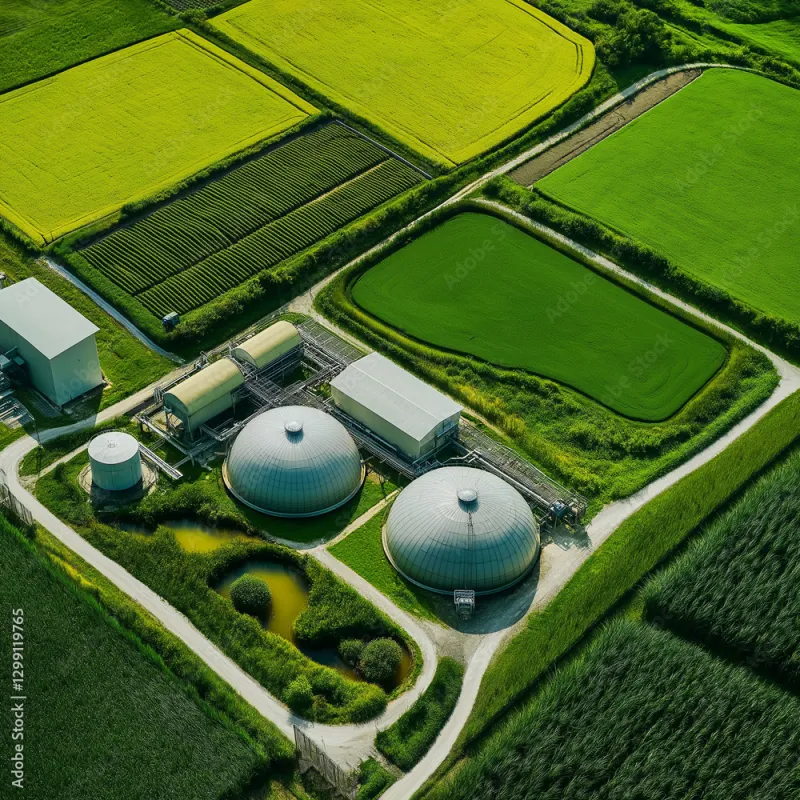
Photo: industrial bioenergy plant anaerobic digester facility manufacturing, via as2.ftcdn.net
The Grid Is No Longer a Reliable Partner for Industry
For decades, American manufacturers operated under a straightforward assumption: plug into the grid, pay the utility bill, and focus capital elsewhere. That assumption is eroding rapidly. Between 2020 and 2024, US industrial electricity prices climbed more than 18 percent, according to the US Energy Information Administration. Compounding the cost pressure, grid reliability events — from winter storms in Texas to wildfire-driven blackouts in California — have exposed a structural vulnerability that no risk manager can responsibly ignore.
The financial consequences of a single unplanned outage at a food processing plant, chemical facility, or large-scale manufacturer can run into the millions of dollars per hour. When that exposure is stacked against the capital cost of an on-site bioenergy system, the math is shifting decisively in favor of decentralized, renewable energy infrastructure.
At Sri Balaji BioEnergies, we work with industrial clients across the United States who are actively making this transition. What we observe is not a trend driven by regulatory pressure alone — it is a strategic, financially motivated migration toward energy self-sufficiency.
What On-Site Bioenergy Actually Looks Like at Scale
The term "on-site bioenergy" encompasses a range of technologies, but two configurations dominate industrial deployments in the US today: anaerobic digestion (AD) systems and biomass combined heat and power (CHP) installations.
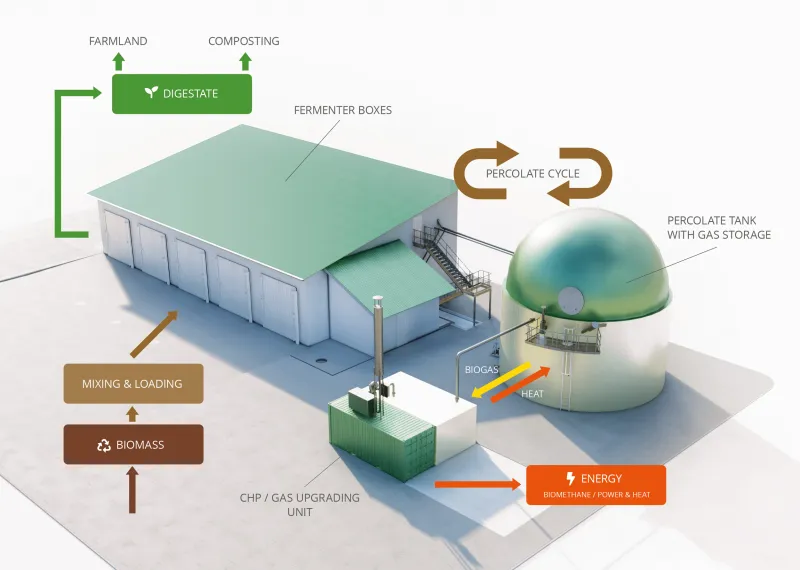
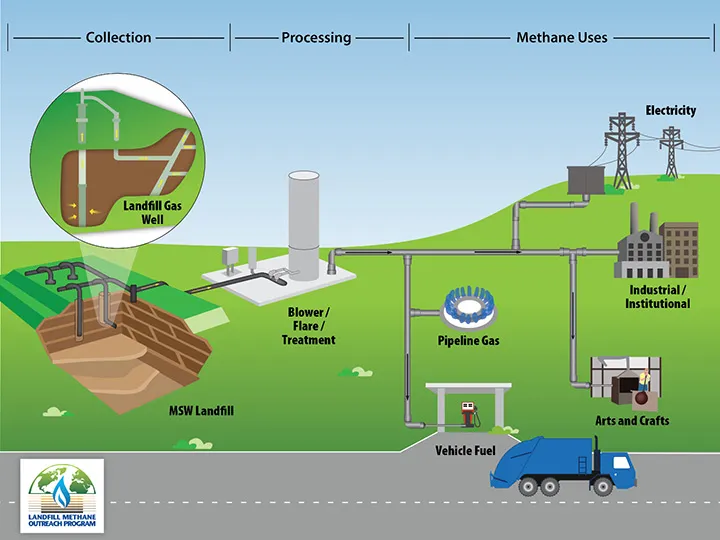
Anaerobic digesters process organic waste — food scraps, agricultural residues, wastewater biosolids, or manufacturing byproducts — in sealed, oxygen-free vessels. Microorganisms break down this material and produce biogas, a methane-rich fuel that can be combusted directly to generate electricity and heat, or upgraded to renewable natural gas (RNG) for pipeline injection or fleet fueling.
Biomass CHP systems, by contrast, combust or gasify solid organic materials — wood waste, crop residues, or dedicated energy crops — to produce electricity and recoverable thermal energy simultaneously. The efficiency advantage of CHP over conventional power generation is substantial: while a standard natural gas plant converts roughly 35 percent of fuel energy into electricity, a well-designed CHP system can achieve total energy utilization rates above 80 percent.
For a large food and beverage manufacturer generating hundreds of tons of organic waste weekly, an on-site AD system does not merely reduce disposal costs — it transforms a liability into a fuel supply.
Case Studies: Real Facilities, Measurable Outcomes
Consider the experience of a mid-sized meat processing facility in the Midwest. Prior to installing an anaerobic digester, the plant was paying approximately $1.2 million annually to haul and dispose of organic waste, while simultaneously purchasing electricity at commercial industrial rates. Following a phased AD installation, the facility now generates enough biogas to meet roughly 60 percent of its on-site electricity demand and nearly 80 percent of its thermal energy needs. Waste disposal costs dropped by more than 70 percent. The system reached full operational payback in under six years.
A comparable story is unfolding in the Pacific Northwest, where a large-scale lumber and wood products operation commissioned a biomass gasification and CHP unit to utilize sawdust, bark, and mill residuals that previously had negligible commercial value. The system now provides baseload electricity that insulates the facility from regional grid price spikes — a particularly acute concern given the area's history of wildfire-related transmission disruptions. The operator reports annual energy cost savings exceeding $900,000, with a projected ROI timeline of seven to nine years.
These are not isolated examples. Across the dairy, brewing, pharmaceutical, and pulp and paper industries, on-site bioenergy deployments are delivering consistent financial returns alongside operational resilience.
The ROI Timeline: Understanding the Investment Horizon
One of the most common objections raised by corporate finance teams is the capital intensity of bioenergy infrastructure. A utility-scale anaerobic digester for an industrial facility may require an initial investment ranging from $3 million to $15 million or more, depending on capacity and complexity. That figure demands rigorous scrutiny.
However, the ROI calculation for on-site bioenergy is multidimensional. Decision-makers who focus exclusively on equipment cost often undercount the offsetting financial streams:
- Reduced energy procurement costs, which for large industrial consumers can represent millions of dollars annually
- Avoided waste disposal fees, which in many states are rising as landfill capacity tightens and tipping fees increase
- Federal tax incentives, including the Investment Tax Credit (ITC) and Production Tax Credit (PTC) provisions under the Inflation Reduction Act, which meaningfully reduce net capital outlay
- State-level renewable energy incentives and utility rebate programs, which vary by jurisdiction but can be substantial in states such as California, New York, and Minnesota
- Carbon credit and RNG market revenues, where applicable
When all revenue and cost-avoidance streams are accounted for, payback periods for well-structured industrial bioenergy projects typically fall in the five-to-ten-year range, with system operational lifespans of twenty-five years or more. The long-term net present value is compelling by any conventional capital budgeting standard.
Supply Chain Disruption as an Accelerant
The COVID-19 pandemic and subsequent supply chain dislocations forced industrial operators to reckon with dependencies they had long taken for granted. Energy supply was among them. Facilities that relied entirely on grid power and natural gas pipelines found themselves exposed not only to price volatility but to physical supply interruptions.
This experience has fundamentally altered how chief operating officers and energy procurement managers evaluate decentralized energy infrastructure. The question is no longer simply "What does this cost?" but rather "What is the cost of not having it?"
On-site bioenergy systems, by their nature, are fed by waste streams that originate within or immediately adjacent to the facility's own operations. A food manufacturer's organic waste does not arrive on a container ship from overseas. A lumber mill's sawdust does not depend on a natural gas pipeline that crosses three states. This localization of the fuel supply chain is a strategic asset that is increasingly recognized as such in boardrooms across the country.
The Path Forward for Industrial Decision-Makers
The transition to on-site bioenergy is not a one-size-fits-all proposition. The optimal technology, scale, and financing structure depend on the specific waste profile, energy demand characteristics, and regulatory environment of each facility. What is consistent across successful deployments, however, is the importance of rigorous feasibility analysis conducted early in the planning process.
At Sri Balaji BioEnergies, our approach begins with a detailed assessment of a facility's organic waste streams, thermal and electrical load profiles, and existing infrastructure — followed by a transparent financial model that accounts for all cost and revenue variables. That foundation allows industrial clients to make confident capital allocation decisions grounded in verified data rather than optimistic assumptions.
The grid will remain part of the energy landscape for the foreseeable future. But the most competitive industrial operators in America are no longer treating it as their only option. On-site bioenergy is not merely a sustainability initiative — it is a durable competitive advantage, and the window to capture it is open now.