Methane in Plain Sight: How Industrial Facilities Are Turning Overlooked Waste Streams Into Strategic Energy Assets
The Waste You're Paying to Ignore
Every year, American industrial facilities spend billions managing organic waste streams—hauling it away, treating it, and absorbing disposal fees that appear as fixed operational costs on the balance sheet. What rarely appears on that same balance sheet is the energy value embedded within that material. Methane, the primary component of natural gas, is being generated naturally within those waste streams regardless of whether a facility captures it or releases it into the atmosphere.
The question facing facility managers and operations executives today is not whether methane production is occurring on their sites. It almost certainly is. The real question is whether their organization is among those extracting value from that production—or simply bearing its costs while competitors who moved first continue to widen the gap.
At Sri Balaji BioEnergies, we work with industrial clients across the country who initially approached organic waste as a compliance and logistics challenge. What they discovered through structured feasibility assessments was something fundamentally different: a latent energy asset that, once unlocked, reshapes their operational economics in measurable and lasting ways.
Where the Methane Is Actually Coming From
Not all organic waste streams carry equal energy density, and understanding the specific sources within your facility is the essential first step toward monetization. The highest-yield methane feedstocks in US industrial settings tend to cluster around several well-documented categories.
Food and beverage processing operations generate some of the richest anaerobic digestion feedstocks available. High-moisture, high-organic-content waste from dairy processing, brewing, distilling, and produce handling degrades rapidly and produces methane at rates that make capital investment in capture infrastructure financially attractive within relatively short timeframes. A mid-sized dairy processor in the Midwest, for example, may generate enough biogas from its waste streams to offset 40 to 60 percent of its facility heating load—a figure that compounds in value as natural gas prices fluctuate.
Agricultural and agro-industrial operations present a related but distinct opportunity. Animal manure from confined feeding operations has been recognized as a biogas source for decades, yet adoption rates among mid-scale operations remain surprisingly low. The combination of federal incentives under current renewable energy policy, state-level programs in agricultural states like Iowa, California, and North Carolina, and improving equipment economics has shifted the calculus significantly in recent years.
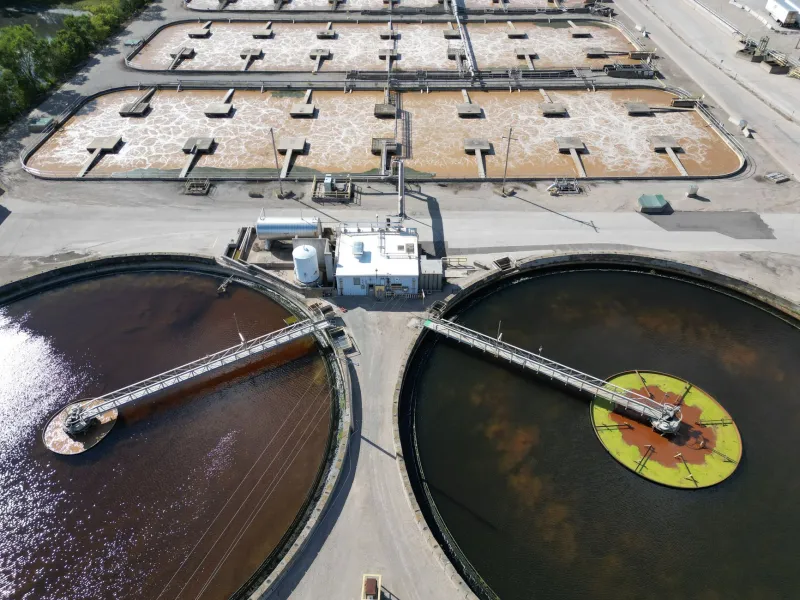
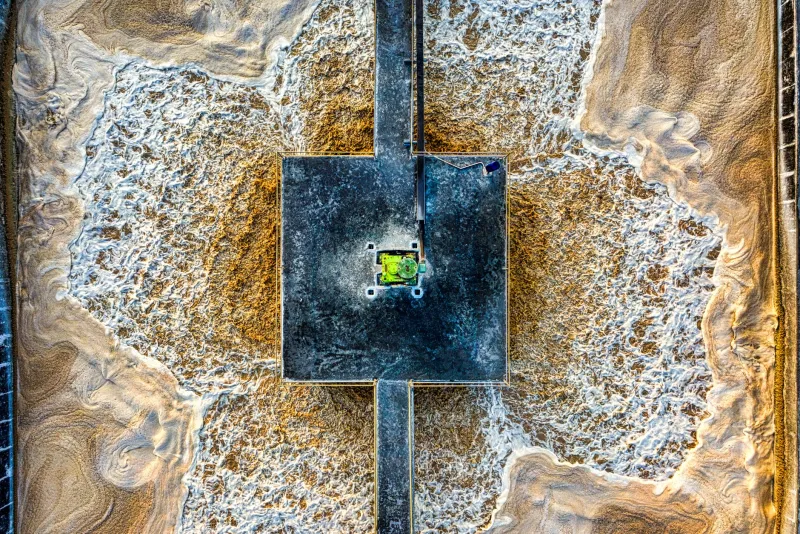
Wastewater treatment infrastructure within manufacturing facilities represents a third major source that is chronically underutilized. Anaerobic digesters installed on industrial wastewater systems not only reduce treatment costs but generate biogas as a direct byproduct of the biological processes already occurring within those systems. The capital investment required to capture that gas, rather than flare or vent it, is frequently modest relative to the energy value recovered.
The Technology Stack: What Capture Actually Requires
One of the persistent misconceptions that delays investment decisions is the assumption that methane capture systems are inherently complex, space-intensive, or operationally burdensome. Modern anaerobic digestion technology has matured considerably, and modular system designs now allow facilities to scale entry-level capture infrastructure to match both budget constraints and available feedstock volumes.
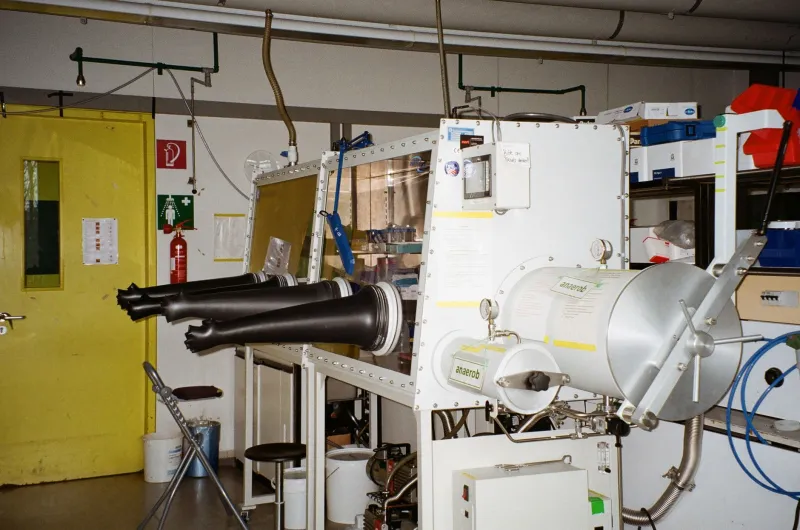
A functional biogas capture and utilization system typically comprises four core components: a digester vessel or lagoon cover where anaerobic breakdown occurs, a biogas collection and conditioning system that removes moisture and contaminants, a conversion unit—most commonly a combined heat and power (CHP) engine or boiler—that transforms the gas into usable electricity and thermal energy, and monitoring and control systems that ensure consistent performance and regulatory compliance.
For facilities new to biogas, a phased implementation approach often proves most practical. Beginning with a contained digester system fed by the facility's highest-concentration waste stream allows operators to establish baseline performance data, build internal expertise, and generate early financial returns before expanding the system's scope. This approach also supports more accurate ROI modeling as real operational data replaces projections.
Equipment costs have declined meaningfully over the past decade, and the availability of experienced engineering, procurement, and construction (EPC) contractors specializing in industrial biogas has improved substantially across most US regions. Facilities in states with robust renewable energy markets—California, Texas, Pennsylvania, and the Great Lakes manufacturing corridor among them—will find particularly competitive contractor markets and established permitting frameworks.
Navigating the Regulatory and Incentive Landscape
The regulatory pathway for biogas systems in the United States is navigable but requires deliberate attention, particularly for facilities subject to air quality permitting under the Clean Air Act. Biogas combustion in CHP systems must meet applicable emission standards, and the permitting timeline varies considerably by state and county jurisdiction. Engaging with regulatory counsel early in the project development process prevents costly delays and ensures that incentive eligibility is preserved.
On the incentive side, the current environment remains unusually supportive of biogas investment. The Investment Tax Credit (ITC) and Production Tax Credit (PTC) provisions extended and modified under recent federal legislation apply to qualifying biogas systems, and the Department of Agriculture's Rural Energy for America Program (REAP) provides grant and loan guarantee support for agricultural and agro-industrial projects. Many states layer additional incentives on top of federal programs, including renewable portfolio standard (RPS) credits, property tax exemptions for renewable energy equipment, and accelerated depreciation schedules.
For facilities that generate biogas beyond their own consumption needs, Renewable Natural Gas (RNG) pathways offer an additional monetization avenue. Upgrading biogas to pipeline-quality RNG and injecting it into the natural gas distribution network—or using it as a transportation fuel—allows facilities to access RNG commodity markets and generate Renewable Identification Numbers (RINs) under the federal Renewable Fuel Standard. In high-demand markets, RIN values have historically added significant revenue on top of the direct energy cost savings.
What Early Movers Have Demonstrated
The competitive advantage of early adoption in biogas is not merely theoretical. Facilities that invested in capture infrastructure five to eight years ago have spent that period eliminating disposal costs, reducing energy expenditures, and in some cases generating net revenue from RNG or REC sales. Their competitors who deferred those decisions are now facing higher equipment costs than the early cohort did, while simultaneously watching their own ESG metrics lag in ways that are increasingly visible to investors, customers, and regulators.
A food ingredient manufacturer operating multiple processing facilities in the southeastern United States provides an instructive example. By installing anaerobic digestion systems across three sites between 2018 and 2021, the company eliminated over $2 million annually in organic waste disposal costs, generated sufficient biogas to displace approximately 35 percent of its natural gas consumption across those sites, and achieved full capital recovery within four years on each installation. The competitive effect was compounded: the company's Scope 1 emissions profile improved materially, strengthening its position in procurement conversations with major retail customers who had implemented supplier sustainability requirements.
The Strategic Imperative
The methane embedded in your facility's waste streams is not a future opportunity. It is a present reality—one that is generating value for competitors who recognized it earlier and one that will continue to appreciate in strategic importance as energy markets tighten, carbon accounting becomes more rigorous, and stakeholder expectations around environmental performance intensify.
For facility managers and executives who have deferred this decision, the question worth asking is straightforward: what is the cost of another year of inaction? At Sri Balaji BioEnergies, we help industrial clients answer that question with precision—through site-specific feasibility analysis, technology selection, and project development support designed to move from assessment to operational asset as efficiently as possible.
The waste problem you've been managing may be the competitive advantage you've been overlooking.