Digestate: The Overlooked Byproduct That Could Become Your Biogas System's Most Profitable Output
When industrial facilities evaluate biogas systems, the financial conversation almost always centers on kilowatt-hours generated, grid displacement savings, and renewable natural gas premiums. That framing is understandable—energy output is measurable, familiar, and easy to translate into a payback period. But it systematically ignores something sitting at the back end of every anaerobic digester: a stabilized, nutrient-rich material that American agriculture is increasingly willing to pay for.
Digestate—the semi-liquid residue that remains after organic feedstocks have been broken down by microbial activity—has historically been treated as a disposal problem. Operators paid tipping fees, arranged land application permits, or simply absorbed the logistics cost as an unavoidable operational line item. That era is ending. A convergence of agricultural economics, soil health awareness, and corporate sustainability accounting is transforming digestate from a liability into a legitimate market commodity.
What Makes Digestate Agronomically Valuable
Anaerobic digestion does not consume nutrients—it concentrates and stabilizes them. Nitrogen, phosphorus, potassium, and a spectrum of micronutrients present in the original feedstock remain in the digestate, but in forms that are more bioavailable to plants than they were in the raw organic material. Pathogen loads are dramatically reduced. Weed seed viability is largely eliminated. The result is a product that behaves more like a precision fertilizer input than a waste stream.
For row crop producers in the Midwest, vegetable growers in California's Central Valley, and regenerative farms across the Southeast, these characteristics address real agronomic problems. Synthetic fertilizer prices have remained structurally elevated since the supply disruptions of 2021 and 2022, and many growers are actively seeking cost-competitive organic alternatives that also contribute to soil organic matter over time. Digestate fits that need with precision.
Facilities processing food manufacturing waste, brewery byproducts, or agricultural residues tend to produce digestate with particularly attractive nutrient profiles. A food-grade anaerobic digester processing whey permeate or produce trim, for example, can generate digestate with nitrogen concentrations that rival commercial liquid fertilizers at a fraction of the delivered cost.
Building the Agricultural Partnership Model
The most durable digestate monetization strategies involve structured offtake relationships rather than spot transactions. Industrial facilities that have successfully commercialized their digestate typically approach this in one of three ways.
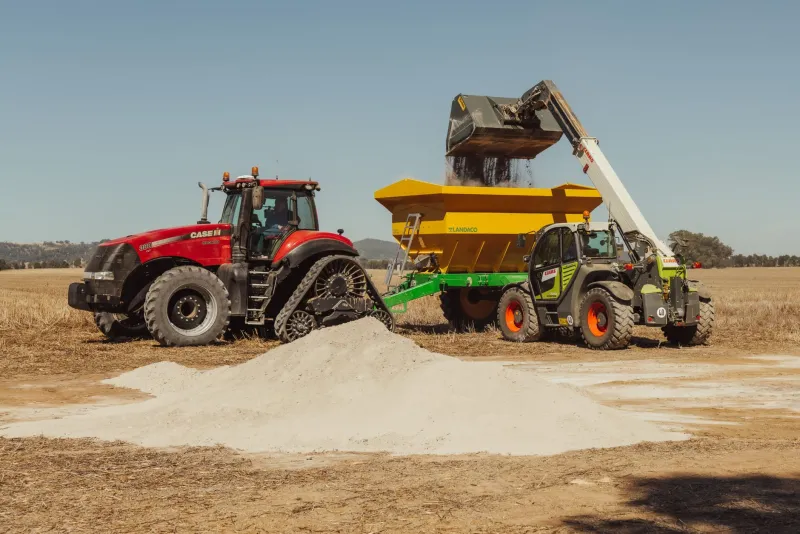
The first is a direct supply agreement with a large farming operation or agricultural cooperative. In exchange for reliable, tested digestate at a negotiated price per ton or per gallon, the farm provides guaranteed volume absorption and often handles its own transport logistics. This arrangement converts what was a variable disposal cost into a predictable, if modest, revenue line.
The second model involves partnering with a digestate processing intermediary—companies that dewater, pelletize, or otherwise refine raw digestate into a more concentrated, shelf-stable product suitable for bagged retail or bulk commercial distribution. The industrial facility supplies raw material; the processor handles product development and market access. Revenue sharing arrangements vary, but the industrial operator benefits from reduced on-site storage requirements and access to premium market channels without bearing the complexity of product commercialization.
The third approach is vertical integration: the facility invests in on-site dewatering and potentially pelletization equipment, producing a finished soil amendment product under its own brand or a co-branded agricultural label. Margins are higher, but so is capital commitment. For larger facilities with consistent, high-quality feedstock streams, this model has demonstrated strong long-term economics.
Soil Remediation: An Underexplored Contract Channel
Beyond conventional agriculture, digestate is attracting interest from an entirely different sector: land remediation. Brownfield redevelopment projects, highway corridor revegetation programs, and post-mining reclamation sites all require large volumes of organic soil amendment to restore biological activity to degraded land. Municipal and state agencies managing these projects are actively seeking compliant, tested organic materials at scale.
Industrial biogas operators with consistent digestate output are natural suppliers to this market. Soil remediation contracts tend to involve larger individual volumes than farm supply agreements, and they often come with multi-year terms tied to project timelines. The trade-off is that remediation-grade digestate must meet rigorous heavy metal and pathogen testing standards—requirements that most well-managed anaerobic digesters can satisfy without significant operational adjustment.
Facilities located near major infrastructure corridors, former industrial sites undergoing cleanup, or regions with active surface mining reclamation obligations should treat soil remediation contracting as a near-term business development priority.
The Carbon Credit Dimension
Digestate's value proposition extends beyond its physical agronomic properties. When applied to agricultural soils, it contributes to soil organic carbon sequestration—a measurable climate benefit that increasingly carries financial value in voluntary carbon markets.
Several verified carbon methodologies now recognize soil carbon enhancement through organic amendment application as a creditable activity. Industrial facilities that supply digestate to farming partners and document application rates, soil testing baselines, and subsequent carbon accumulation can potentially stack carbon credit revenue on top of the direct digestate sale price. This layered value structure—nutrient commodity value plus carbon credit revenue—materially changes the economics of digestate commercialization.
It also strengthens the facility's own corporate sustainability reporting. Demonstrating that your biogas system not only offsets fossil fuel consumption but actively contributes to agricultural soil health and carbon sequestration creates a multi-dimensional environmental narrative that resonates with ESG-conscious investors, supply chain partners, and enterprise customers scrutinizing Scope 3 emissions profiles.
Regulatory Considerations for US Operators
Digestate land application in the United States is regulated at the state level, with federal guidelines established under EPA's Part 503 biosolids rule providing a baseline framework. Industrial operators must distinguish between digestate derived from source-separated organics—which typically faces lighter regulatory burdens—and material that may contain mixed municipal waste streams, which is subject to more stringent classification requirements.
Working with a qualified environmental consultant early in the digestate commercialization process is advisable. State agricultural departments in major farming states, including Iowa, Illinois, and North Carolina, have developed digestate-specific guidance documents, and several have created streamlined permitting pathways for facilities that can demonstrate consistent nutrient analysis and pathogen reduction performance.
Rethinking the Biogas Business Case from the Ground Up
The facilities capturing the most value from anaerobic digestion today are those that have stopped treating digestate as a footnote in the engineering report and started treating it as a product line that requires its own market development strategy. The economics are compelling: a mid-sized industrial digester processing 50 to 100 tons of organic feedstock per day can generate substantial volumes of digestate annually—material that, properly positioned and sold, can contribute meaningfully to overall project returns.
At Sri Balaji BioEnergies, we design biogas systems with the full value chain in mind. That means engineering digestate handling and storage infrastructure that preserves nutrient quality, advising on testing and compliance protocols that satisfy agricultural and remediation market requirements, and connecting clients with the commercial relationships needed to move digestate from processing tank to paying customer.
The energy transition in American industry is not just about replacing fossil fuels. It is about redesigning industrial metabolism so that every output—including the ones that used to go to the landfill—becomes an input somewhere else. Digestate is one of the clearest examples of that principle made real, and the facilities that act on it now will hold a structural advantage as both agricultural input markets and carbon accounting frameworks continue to mature.